
Natural disasters, human pain, and the comfort of God
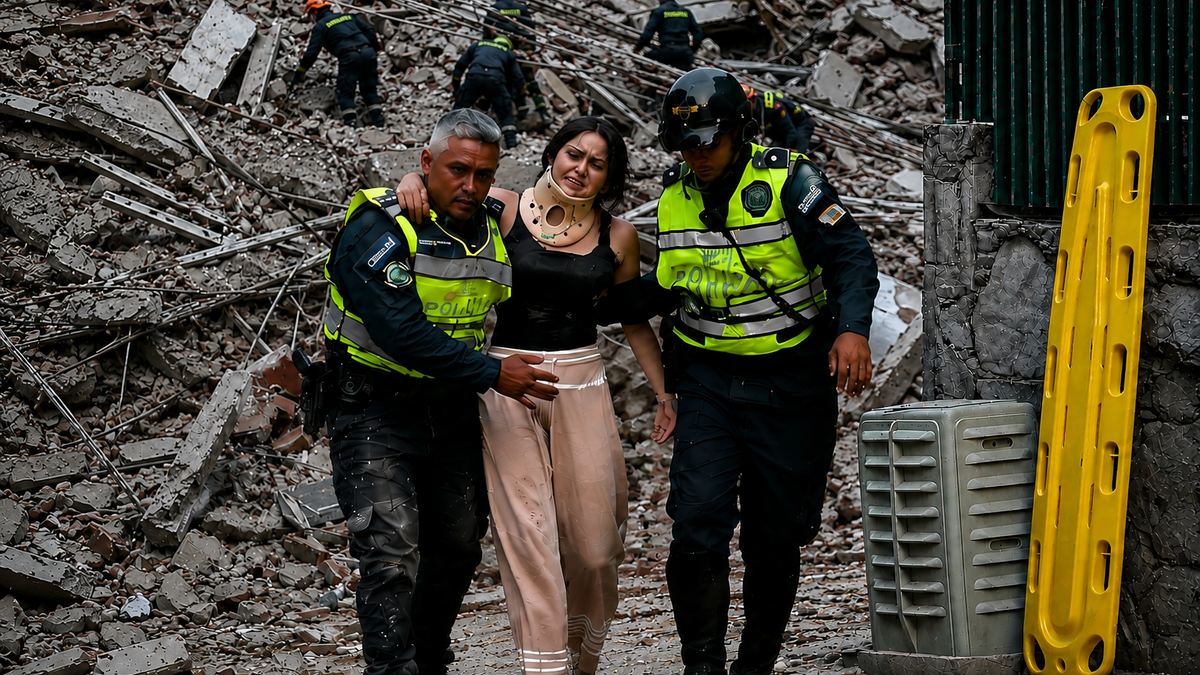
Natural disasters confront us with one of the most difficult questions of faith: why does God allow events that cause so much pain? This question does not arise from theological curiosity, but from real suffering. It arises when a family loses their home, when a mother searches for her child among the rubble, when a father does not know how to explain to his children that they will never see a loved one again.
Venezuela has recently suffered a deep wound. On June 24, 2026, two strong earthquakes shook the north of the country just seconds apart, causing destruction, injuries, missing persons, and immense collective pain. The numbers have been changing over the hours, as usually happens in large-scale emergencies, but behind each number there is a face, a family, a story, and a tear that God does not ignore.
From a biblical perspective, we should not rush to say that every disaster is a direct punishment from God. Jesus himself corrected that way of thinking. In Luke 13:1-5, when he was told about people who died tragically, Christ did not say that those victims were more guilty than others. Rather, he called everyone to repentance. His response was not to explain every hidden cause of pain, but to direct human gaze toward the need to return to God.
The Bible teaches that we live in a world affected by sin. Romans 8:22 says that 'the whole creation groans'. This means that nature itself is wounded by the entrance of evil. Disasters do not occur in a perfect world, but in a changed, broken creation that awaits final restoration. God is not indifferent to that groan; he hears it, accompanies it, and has promised to put an end to it.
Then, why doesn’t God stop every natural disaster before it occurs? Scripture does not answer all the details, but it does reveal principles. God maintains the natural order of the world, respects the reality of a creation damaged by sin, and, within the conflict between good and evil, does not act as an arbitrary power that eliminates every consequence before its time. However, this does not mean divine absence. God may not prevent every natural phenomenon, but he continues to work in the midst of pain to save, comfort, awaken compassion, and call humans to eternal hope.
In Venezuela, alongside the tragedy, stories of sacrificial love have also emerged. According to news reports, Andrea Bello, wife of Venezuelan footballer Héctor Bello, died protecting her one-year-old daughter during the collapse of their home. The girl survived. There are not enough words to describe such a loss, but that act reveals a deeply biblical truth: even in the midst of destruction, love remains stronger than fear.
The case of survivors who emerged from the rubble with physical injuries and irreparable losses has also been reported. Graciela Mora, in La Guaira, recounted how she clung to a door frame to survive, while a friend who was with her did not manage to come out alive. Stories like this should not be used coldly as examples; they should be read with reverence, because behind them lies mourning, trauma, and questions that only God can fully embrace.
In the face of that pain, the biblical message is not: 'Do not weep.' The biblical message is: God sees your tears. Psalm 46:1 declares: 'God is our refuge and strength, a very present help in times of trouble.' That psalm even mentions a removed land and mountains that tremble, but affirms that God’s people can find refuge in Him. Security is not that the earth will never move; it is that God does not abandon his children when everything shakes.
Isaiah 43:2 adds: 'When you pass through the waters, I will be with you.' The text does not promise that there will never be deep waters, dangerous rivers, or burning fire. It promises presence. And for those who suffer, the presence of God is not an abstract idea: it is comfort, strength to breathe one more day, courage to bury the dead, the ability to help a neighbor, and hope to believe that death will not have the final word.
The greatest proof that God continues to act for the salvation of humanity is Christ. In Jesus, God did not observe suffering from afar; he entered into it. He wept at the tomb of Lazarus. He touched the sick. He fed the hungry. He bore the pain of the world on the cross. Therefore, in the face of natural disasters, the Christian faith does not offer a cold explanation, but a crucified and resurrected Savior.
God's mission continues even amidst tragedy. He acts when he comforts the brokenhearted, when he moves a community to help, when he awakens solidarity, when a church prays and serves, when a wounded person looks to heaven. He also acts reminding us that this world is not the end. Revelation 21:4 promises that God 'will wipe away every tear' and that there will be no more death, nor sorrow, nor crying, nor pain.
Therefore, today we stand in solidarity with the victims of Venezuela, with those who have lost loved ones, homes, security, and peace. We do not pretend to explain all their pain. We join their weeping. We pray for the injured, the rescuers, the children, the elderly, the displaced, and the grieving families.
Natural disasters remind us of the fragility of life, but they also invite us to look to the God who saves. Even when we do not always understand why he allows certain events, we do know who He is: a compassionate Father, a close Comforter, and a Redeemer who will not rest until all things are restored.